How to Build Credit From Scratch: A Step-by-Step Guide
Start a credit history with a secured card, credit-builder loan, authorized user status or rent reporting, and learn how long a first score takes.
This article was produced with AI assistance.
This article is for general information only. It is not financial or tax advice.
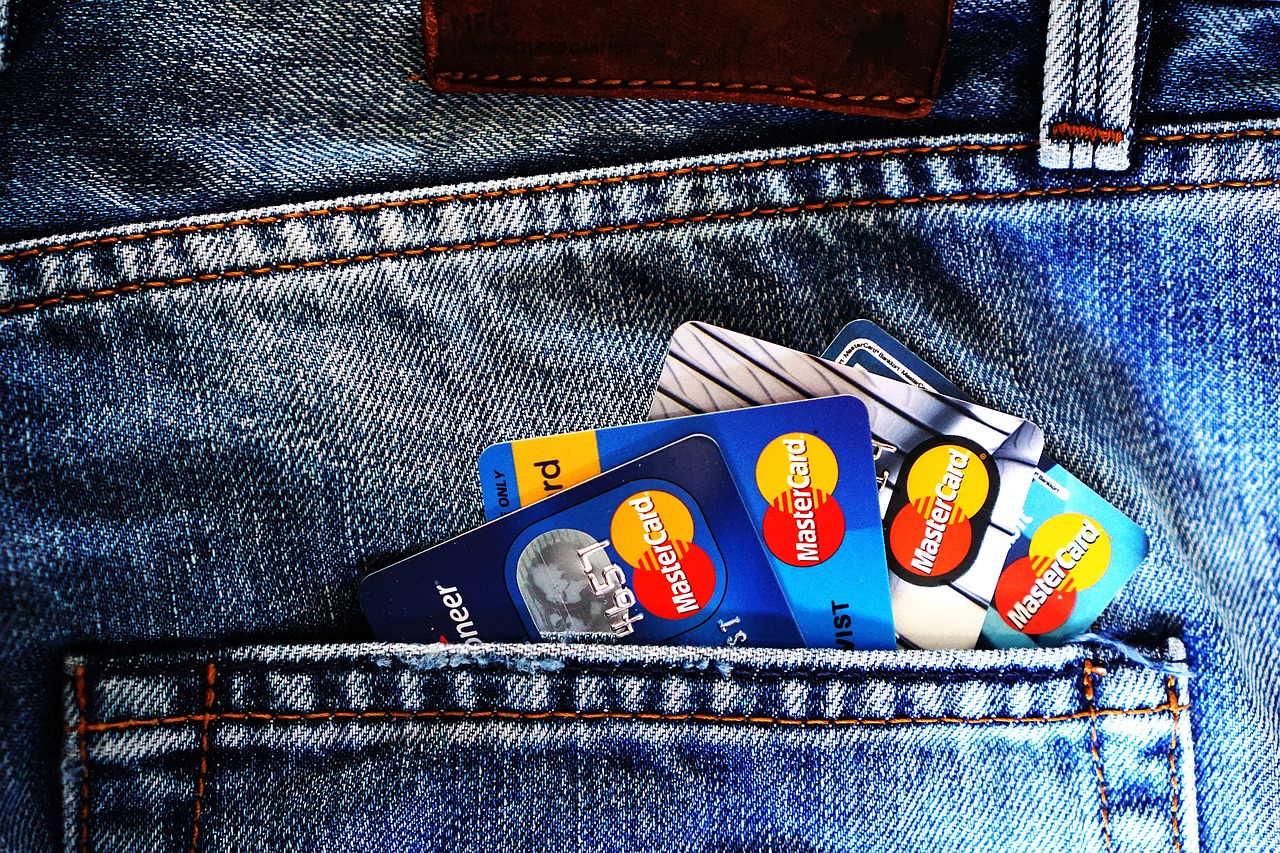
To build credit from nothing, you need at least one account that reports your payments to the credit bureaus, and you need to pay it on time for months. FICO says a first score usually takes about six months of reported activity [1]. The common starting tools are a secured credit card, a credit-builder loan, being added as an authorized user on someone else's card, and having rent or utility payments added to your file [1][2][3]. Pick one or two, keep balances low, and never miss a due date. This guide explains how each option works, what it costs, and the mistakes that slow people down.
Why you have no score yet
A credit score needs data. FICO will only produce a score if your report has at least one account open for six months or more, at least one account reported to a bureau within the past six months, and no record listing you as deceased [4]. One account can meet both time rules [4].
Plenty of adults fall short of that. A CFPB report found that about 26 million U.S. adults had no credit record at all, and another 19 million had a record that was too thin or too old to score [2]. People in that position can have trouble getting approved or paying low rates [2].
Some everyday payments do not help, because they are not reported to the national credit bureaus. The CFPB lists debit card and cash spending, prepaid cards and payday loans [5]. It also warns that "buy here, pay here" car dealers often send the bureaus only negative information, such as late payments [5].
Option 1: A secured credit card
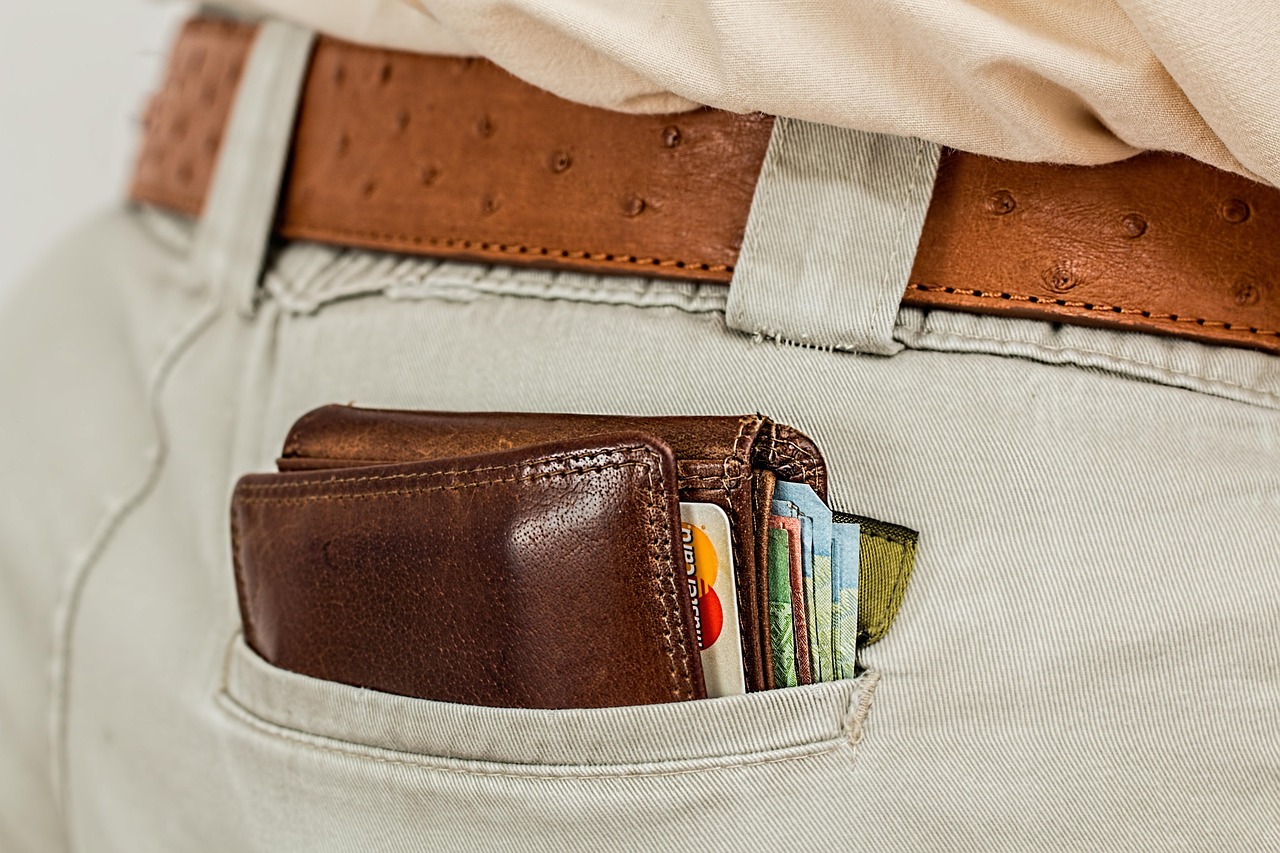
A secured card works like a regular credit card, except you put down a cash deposit first. The deposit usually equals your credit limit [6]. If you deposit $500, you can charge up to $500, and paying the bill frees that room up again [5]. The issuer reports your payments to the credit bureaus, which builds your history [6].
FICO says its scores treat a secured card like any other credit card [7]. If you fail to pay, the issuer can keep your deposit and close the account [1].
What to check before you apply:
- Does it report to all three bureaus? Ask the issuer. A Federal Reserve note lists lenders that fail to report payment activity as one reason some users never see a score improve [6].
- The interest rate. Secured cards can carry a higher annual percentage rate (APR) than regular cards [6]. If you pay in full each month, the rate matters less.
- Fees. Look at the annual fee and any setup fees. A card that charges more in fees than you are comfortable losing is not worth it.
- A path to upgrade. Ask whether the issuer reviews accounts for a move to an unsecured card and a refund of the deposit.
For a sense of scale, the Federal Reserve found that the median secured card started with a limit of $325 and a median monthly payment of $26 [6].
Option 2: A credit-builder loan
A credit-builder loan flips the usual loan order. The lender sets aside the loan amount in a locked savings account or certificate of deposit. You make monthly payments, and when the loan is paid off you get the money [6]. The CFPB says these loans are usually repaid over six to 24 months [5]. They are common at credit unions and community banks [6].
Typical loan amounts run from $300 to $1,000 [2]. You pay interest and fees, so think of it as a savings plan with a cost [6].
Worked example. Say a credit union offers a $600 credit-builder loan over 12 months. Your payment would be $50 a month plus whatever interest and fees the lender charges. After 12 on-time payments, you would have a year of positive history on your report and get the $600 back. If the total interest and fees came to $30, that $30 is what you paid for the credit history. Ask the lender for the exact APR and fees before you sign.
What the research found. In a CFPB study of 1,531 credit union members, people with no existing loans who opened a credit-builder loan were 24% more likely to end up with a credit score [2]. Those without other debt also saw their scores rise by 60 points more than participants who already carried debt [2]. The loan was linked to an average savings gain of $253 [2]. But people who already had loans saw their scores dip slightly on average, which suggests the extra payment strained their budgets [2]. The lesson: only take one on if the monthly payment fits easily.

Option 3: Become an authorized user
An authorized user is someone added to another person's credit card. You usually get a card in your name, and the account can show up on your credit report [3]. If the main cardholder pays on time and keeps the balance low, that record can help you [3].
The risk runs both ways. FICO notes that card activity usually appears on both people's reports, so a high balance can hurt both scores [1]. Equifax warns that late payments by either person affect both [3].
How to do it well:
- Choose someone with a long record of on-time payments and low balances.
- Ask the card issuer whether it reports authorized users to the bureaus.
- Agree on rules up front. You can be added without using the card at all.
Do not pay a company to add you to a stranger's account. Experian calls these "piggybacking" services risky and says lenders view them as deceptive [8].
A related option is a co-signer on a loan. That person agrees to repay the debt if you do not, so their credit is on the line too [3].
Option 4: Get rent and utility payments reported
Rent, phone and utility bills often do not appear on credit reports [3]. There are two ways to change that:
- Ask your landlord or utility. Equifax suggests asking them to report your on-time payments to the three bureaus [3].
- Use a bureau's own tool. Experian Boost lets you link a bank account so Experian can add on-time payments for phone, utility, internet, insurance, streaming and some rent bills to your Experian file [8]. A bill needs at least three payments in the last six months, including one in the last three months [8]. Only rent paid online to certain property managers or rent platforms counts [8].
Keep the limits in mind. Boost only adds data to your Experian file, and Experian notes that not every lender uses Experian data or the scores that Boost affects [8]. Treat this as a helpful extra, not a replacement for a card or loan.
Which option fits you
| Option | What you need | Main cost | Main risk |
|---|---|---|---|
| Secured card | A cash deposit, often equal to the limit [6] | Possible higher APR and fees [6] | Losing the deposit if you do not pay [1] |
| Credit-builder loan | Steady income for the monthly payment | Interest and fees [6] | A missed payment hurts your new record [2] |
| Authorized user | A trusted person with good habits | Usually none | Their late payments or high balance can hurt you [3] |
| Rent and utility reporting | Bills in your name, paid on time | Usually none | Some lenders may not see or use the data [8] |
Many people combine two: a secured card for daily use and a credit-builder loan for an installment account. The Federal Reserve found that secured cards make up about 76% of credit-building accounts, with secured small loans making up the rest [6]. Either way, one account paid on time is enough to start a FICO Score [4].
A simple plan for your first year
- Week 1. Pull your free reports at AnnualCreditReport.com to see whether any file exists and whether it holds anything wrong.
- Week 2. Open one secured card or credit-builder loan at your bank or a credit union [5].
- Every month. Charge one small bill, pay the full statement balance, and keep the balance well under 30% of the limit [3].
- Month 6. Check whether you now have a score [1].
- Month 12. If your record is clean, ask whether the issuer will move you to an unsecured card.
How long it takes
| Time | What to expect |
|---|---|
| Month 0 | Open your first account and set up autopay. |
| About month 6 | Enough history for a first FICO Score, if the account has reported for six months [1][4]. |
| Months 6 to 12 | A second account, if you want one, adds to your record. Space out applications. |
| Year 1 and beyond | Your average account age grows, which helps the length-of-history factor [7]. |
The two biggest factors while you build are paying on time (35% of a FICO Score) and keeping balances low (30%) [1]. FICO suggests a simple habit: put one small recurring bill, like a streaming service, on the card and pay the full statement balance each month [1].
Equifax gives a utilization example: with a $1,000 limit, aim to keep your balance at $300 or less [3]. With a small secured card limit, a few purchases can push you past that, so pay mid-month if needed.
Mistakes to avoid
- Missing a payment. Even one late or missed payment can lower your score [1]. Set up autopay for at least the minimum.
- Maxing out a small limit. High utilization counts against you, even on a $300 card [1].
- Applying for many cards at once. Each application can add a hard inquiry, and new accounts lower your average account age. FICO says inquiries matter more when your history is short [9].
- Closing your first card too soon. Your oldest account anchors the length of your history [7]. If it has no annual fee, keeping it open and using it lightly can help.
- Taking a credit-builder loan you cannot afford. The CFPB study found scores fell slightly for some borrowers who struggled with the extra payment [2].
- Paying for "credit repair." Building credit takes on-time payments over time. No paid service can skip that step.
Frequently asked questions
Can I get a regular credit card with no history? Sometimes. FICO says some starter cards approve people with no history if they meet other rules, such as income, though rates can be high [1].
Does a student card help? Yes, it works the same way. Equifax notes you will likely need to show you are enrolled in school [3].
Do I need a loan to improve my credit mix? Not at the start. Credit mix is a small part of the score, and on-time payments matter far more [1].
Your next step
Call your bank or a local credit union and ask two questions: do they offer a secured card or a credit-builder loan, and do they report payments to all three bureaus? Open one account, set up autopay, and put one small bill on it. After six months, pull your free reports at AnnualCreditReport.com to confirm the account is showing up. Our guide on how credit scores work explains what lenders see once your score appears.
Sources
- myfico.com https://www.myfico.com/credit-education/faq/improving-a-score/building-credit-history
- consumerfinance.gov https://www.consumerfinance.gov/archive/newsroom/cfpb-study-shows-financial-product-could-help-consumers-build-credit/
- equifax.com https://www.equifax.com/personal/education/credit/score/articles/-/learn/how-to-build-credit/
- myfico.com https://www.myfico.com/credit-education/faq/scores/fico-score-requirements
- consumerfinance.gov https://www.consumerfinance.gov/ask-cfpb/what-are-some-ways-to-start-or-rebuild-a-good-credit-history-en-2155/
- federalreserve.gov https://www.federalreserve.gov/econres/notes/feds-notes/an-overview-of-credit-building-products-20241206.html
- myfico.com https://www.myfico.com/credit-education/credit-scores/length-of-credit-history
- experian.com https://www.experian.com/consumer-products/score-boost.html
- myfico.com https://www.myfico.com/credit-education/credit-reports/credit-checks-and-inquiries